Explain the Difference Between a Bacterial Chromosome and a Plasmid
In F strains the f factor exists as a seperate circular plasmid but the plasmid carries bacterial genes that were originally part of the bacterial chromosome. Briefly explain the differences between F F- Hfr and F cells.

Difference Between Plasmid Dna And Chromosomal Dna Compare The Difference Between Similar Terms
January 9 2020 Posted by DrSamanthi.
. To isolate high yields of plasmid DNA use cultures in late log phase or early stationary phase. Double-stranded DNA Circular small and is different from a chromosomal DNA. Found in both prokaryotic and eukaryotic cells.
Briefly explain the differences between F F- Hfr and F cells. A typical high copy plasmid such as pUC or pBluescript should yield 4-5 µg of DNA per ml of culture. In F strains the F factor exists as a separate circular plasmid but the plasmid carries bacterial genes.
The Hfr cell has the F factor integrated into its chromosome. Furthermore what are three differences between plasmid and bacterial. Plasmids can also be used as vectors.
The main difference between genomic DNA and plasmid DNA isolation is that genomic DNA isolation uses strong lysis including the enzymatic or mechanical breakdown of the cell membranes to release the genomic DNA into the solution while plasmid DNA isolation uses mild alkaline lysis to get plasmid DNA into the solution along with the genomic DNA. Frost in Encyclopedia of Microbiology Third Edition 2009 Introduction. The Hfr cell has the f factor integrated into its chromosome.
An F cell will contain a circular plasmid seperate from the chromosome. Name one similarity and one difference between a bacterial chromosome and a plasmid. An F cell will contain the F factor as a circular plasmid separate from the chromosome.
YAC is an artificially constructed vector system using a specific region of yeast chromosome to insert large segments of genetic materials to yeast cells while BAC is an artificially constructed vector system using a specific region of E. The Bacterial Chromosome and Plasmid. The Hfr cell has the f factor integrated into its chromosome.
The main difference between plasmid and cosmid is that plasmid is a loop of double-stranded DNA naturally found in the bacterial cytoplasm and replicates independently from chromosomes whereas cosmid is a type of plasmid constructed by the insertion of cos sequences from the λ phage. Two structural types of bacterial linear DNA have been characterized. Which statement best describes the purpose of DNA profiling.
DNA profiling is done to demonstrate patterns of DNA fragments in a gel that are unique to an individual organism. Plasmid transfer genetic material between genomes whereas transposon transfer genetic material between chromosomes within the same genome. A form of extrachromosomal DNA.
The specific origin of replication present will influence the plasmid copy number per cell. Every living organism has genetic material that controls its. Propose a mechanism that allows a virulence plasmid to move between bacterial cells.
The key difference between plasmid DNA and chromosomal DNA is that plasmid DNA is not essential for the survival of bacteria while chromosomal DNA is essential for their survival since it is the genomic DNA of bacteria. Chromosome is covered with a protein whereas plasmid is not. Why is the R100 factor so.
Linear plasmids and chromosomes were unknown in prokaryotes until recently but have now been found in spirochaetes Gram-positive bacteria and Gram-negative bacteria. Bacterial conjugation was first described by Lederberg and Tatum in 1946 as a phenomenon involving the exchange of markers between closely related strains of Escherichia coliThe agent responsible for this process was later found to be a site on the chromosome called the F fertility factor. A n ________ is an extrachromosomal DNA molecule in a bacterial cell that replicates independent of the bacterial chromosome.
Cosmids viral vectors and artificial chromosomes are the other types of vectors. In Escherichia coli the length of the chromosome when open is many times the length of the cell. Bacteria have two types of DNA namely chromosomal DNA and extra-chromosomal DNA plasmid DNA.
Each bacterial cell typically produces many copies of a plasmid in contrast to making only one copy of its own chromosome. Linear plasmids of the spirochaete Borrelia have a. The main difference between plasmid and transposon is their role.
Transfer of genetic information in the cellular form. The key difference between genomic and plasmid DNA is that genomic DNA is essential for the survival of organisms including bacteria while plasmid DNA is not essential for the survival of bacteria. In F strains the f factor exists as a seperate circular plasmid but the plasmid carries bacterial genes that were originally part of the bacterial chromosome.
Found only in prokaryotes. Type of genomic DNA. While eukaryotes have two or more chromosomes prokaryotes such as bacteria possess a single chromosome composed of doublestranded DNA in a loop.
The DNA is located in the nucleoid of the cell and is not associated with protein. Plasmid DNA is typically 3-5 kb depending on insert size. The chromosome contains genes that are essential for survival whereas the plasmid contains genes that are helpful to the bacterium but not essential for survival In the process of reverse transcription often carried out by retroviruses.
The fact that plasmids are smaller and in greater number than the host chromosome make plasmids easier to isolate in pure form which is why researchers commonly use them for studying DNA in the laboratory. Plasmids are closed. Coli chromosome to insert large segments of DNA in.
The key difference between F plasmid and R plasmid is that F plasmid is an extrachromosomal DNA that contains genes coding for fertility factor. Coli chromosome but experimentally it might be difficult to see the difference if the plasmid is not identified. The main difference between plasmid and vectors is that plasmid is an extra-chromosomal element of mainly bacterial cells whereas vector is a vehicle that carries foreign DNA molecules into another cell.
Plasmid and episome are two kinds of extrachromosomal DNA of organisms. We discussed that only F and R factors encode for the sex pilus allowing these plasmids to be transferred to other bacteria. A plasmid is a small circular double-stranded DNA present in.
Smaller than chromosomal DNA. Larger than plasmid DNA. Meanwhile R plasmid is an extrachromosomal DNA that contains genes coding for the resistance against antibiotics.
An F cell will contain a circular plasmid seperate from the chromosome. I agree this is a property of the plasmid and not of E.

Scheme For Introducing Frt Sites Into The Bacterial Chromosome Plasmid Download Scientific Diagram

The Process Of Bacterial Chromosome And Plasmid Dna Replication Download Scientific Diagram

Difference Between Plasmid And Chromosome Compare The Difference Between Similar Terms

Bacterial Chromosome Structure

Plasmids And Co Selection Antibiotic Resistance React
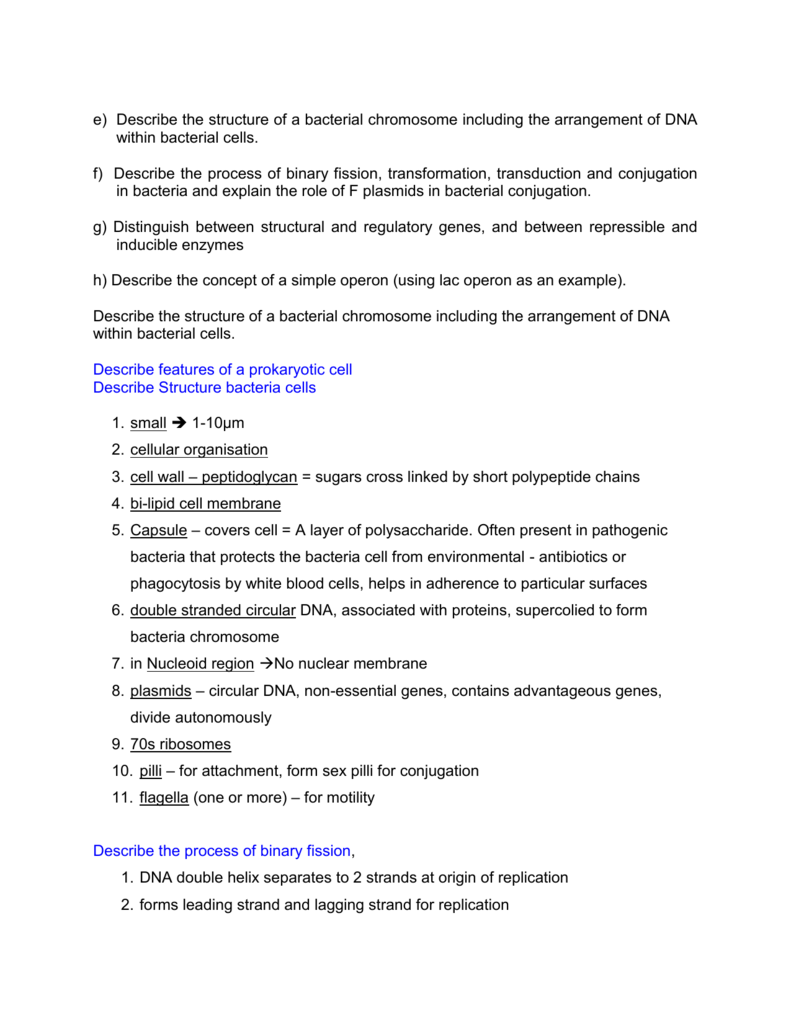
E Describe The Structure Of A Bacterial Chromosome Including The
What Is The Difference Between A Plasmid And A Circular Dna In Bacteria Quora
How Does A Plasmid Different From Chromosomal Dna Quora

From Structure To Function Of Bacterial Chromosomes Evolutionary Perspectives And Ideas For New Experiments Sciencedirect

Microbial Genetics Flashcards Quizlet
What Is Plasmid What Is Its Application Quora
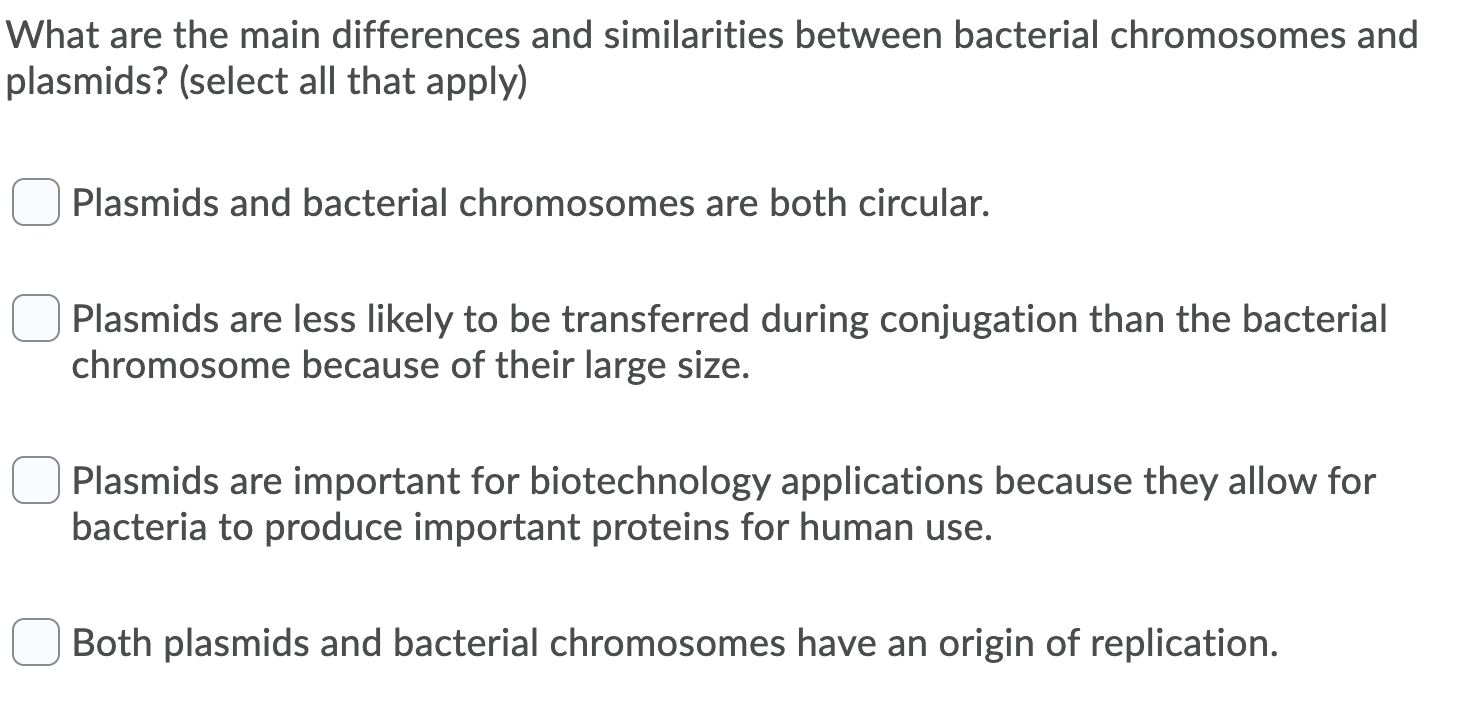
Solved What Are The Main Differences And Similarities Chegg Com

Difference Between Plasmid And Chromosome Compare The Difference Between Similar Terms

10 3 Plasmids Are Easily Isolated From Bacterial Cells Biology Libretexts

Difference Between Plasmid Dna Chromosomal Dna Youtube
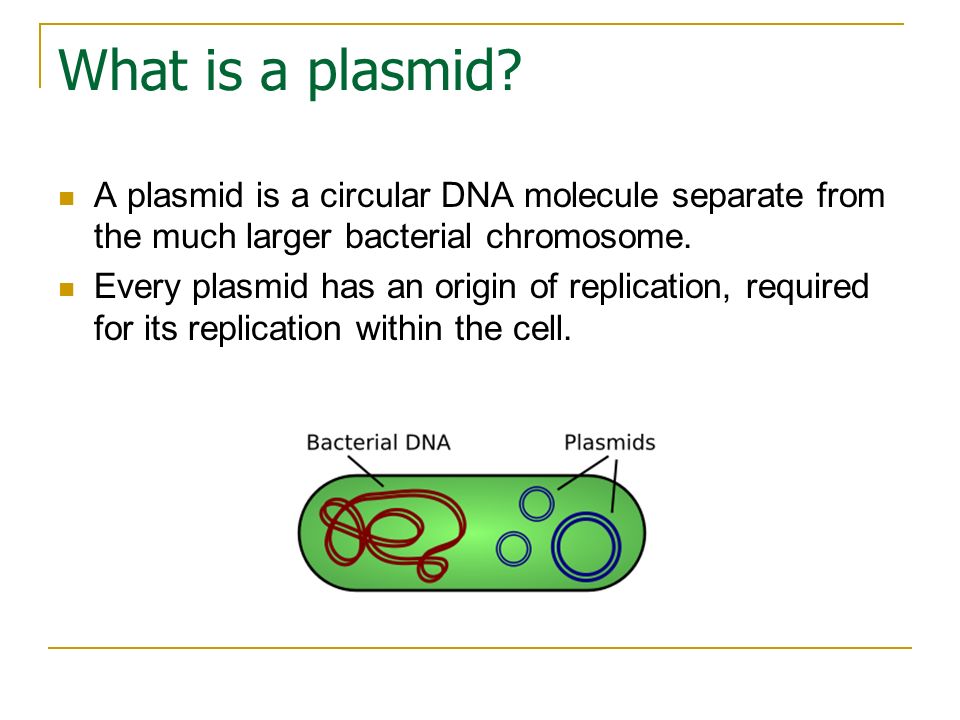
Recombinant Plasmids Ppt Video Online Download
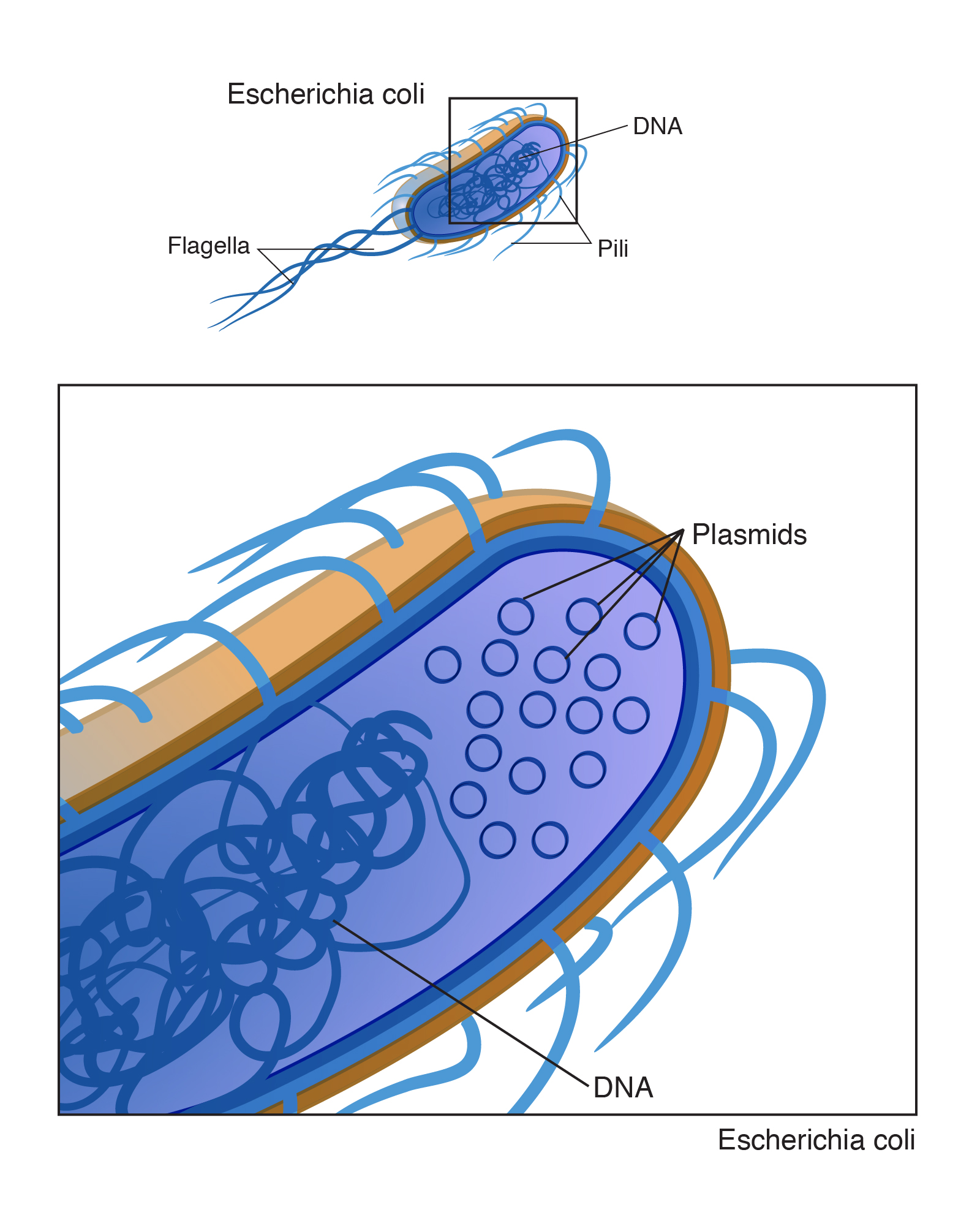
Plasmid

From Structure To Function Of Bacterial Chromosomes Evolutionary Perspectives And Ideas For New Experiments Sciencedirect

Chapter 17 3 Genetic Properties Of Bacteria Flashcards Quizlet


Comments
Post a Comment